
By Trickdigi
In my first year of business, I did what everyone does: I opened a single “Free Business Checking” account at a popular online bank.
It was easy. I used that one debit card for everything—software subscriptions, client lunches, Facebook ads, and payroll.
Then, on a Tuesday morning at 10:00 AM, my card was declined at a coffee shop.
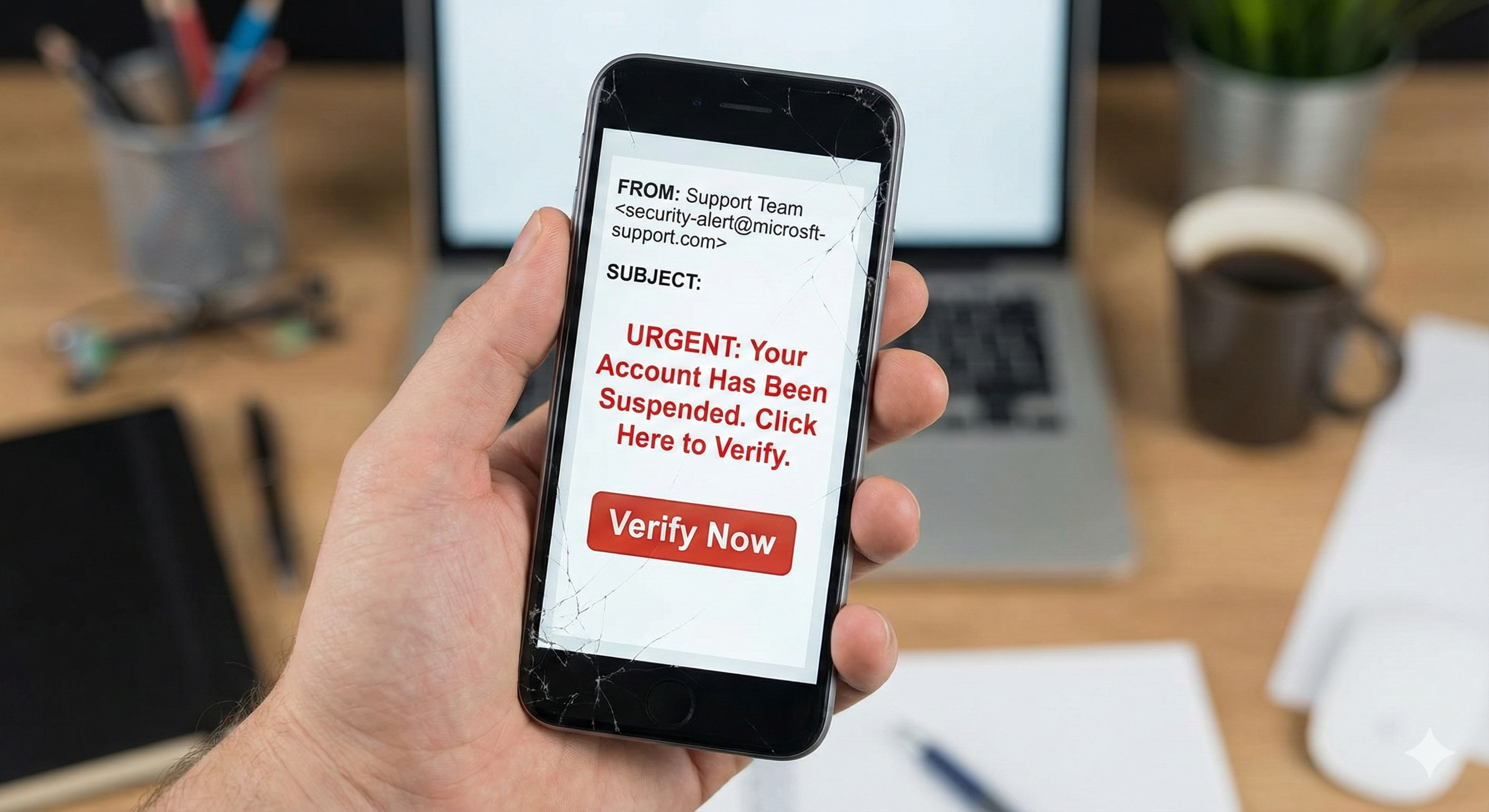
I opened my banking app and saw a terrifying notification: “Account Frozen due to Suspicious Activity.”
Because of a single flagged transaction from a Facebook Ad charge, the bank’s algorithm had locked my entire business. I couldn’t pay my freelancer. I couldn’t pay my server bill. I was dead in the water for 48 hours while I waited for their support team to “review the case.”
That panic attack taught me a valuable lesson: In business, redundancy is survival.
I now use a “Two-Bank System” (The Firewall Strategy). Here is how it works, and why every small business owner should do it to avoid going broke on a technicality.
The Danger of “All-in-One” Banking
The mistake I made was commingling my “Traffic” with my “Storage.”
-
Traffic: High-volume, risky transactions (online ads, random software trials, debit card swipes).
-
Storage: Critical cash (Payroll, Taxes, Profit).
When you use one account for both, a security trigger on a $10 software trial can freeze your ability to pay your $5,000 tax bill. That is an unacceptable risk.
The Solution: The “Operating” vs. “Vault” System
I opened a second account at a completely different bank. Now, I have a firewall.
Bank A: “The Operator” (Online Fintech Bank)
-
Role: The “Dirty” Account.
-
Type: I use a modern Fintech bank (like Mercury, Relay, or Brex) with a good mobile app.
-
Usage: All revenue from Stripe/PayPal hits this account first. All credit card payments and expenses go out of this account.
-
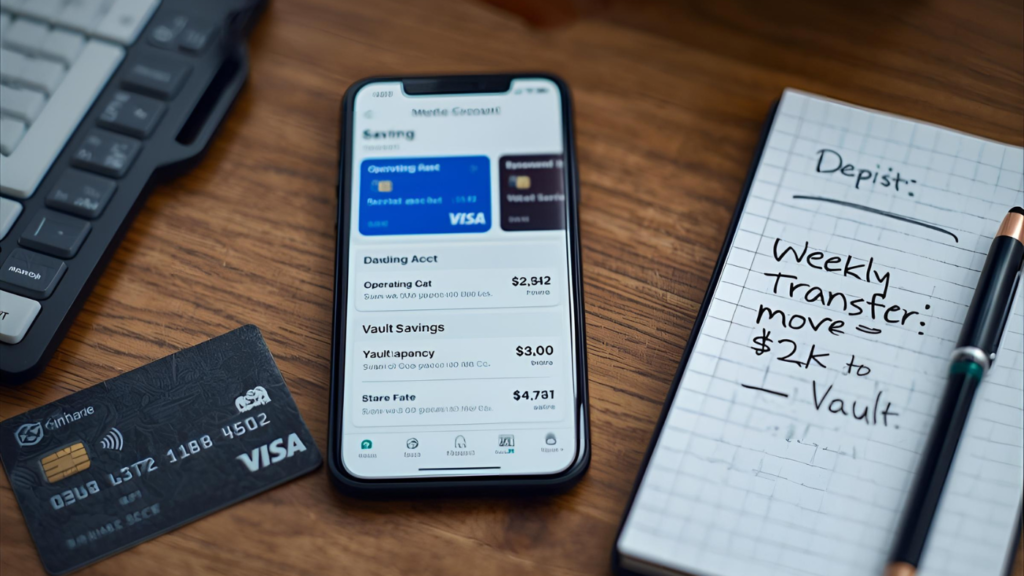
Balance: I keep the bare minimum here (e.g., $2,000).
-
The Logic: If this card gets skimmed at a gas station or frozen by an algorithm, it doesn’t matter. There is no real money in it to steal, and my payroll isn’t affected.
Bank B: “The Vault” (Traditional Big Bank)
-
Role: The “Clean” Account.
-
Type: I use a boring, traditional brick-and-mortar bank (like Chase or Bank of America).
-
Usage: Once a week, I transfer profit and tax money from “The Operator” to “The Vault.”
-
Balance: This is where the savings live.
-
The Rule: This account has NO debit card attached to it. I never use it for online purchases. Its only job is to receive the weekly transfer and send out payroll.
The Comparison: Why You Need Both
I used to argue about “Online vs. Traditional” banks. Now I realize they serve different purposes.
| Feature | Fintech Bank (The Operator) | Traditional Bank (The Vault) |
| Speed | Instant setup, great app | Slow, lots of paperwork |
| Fees | Usually Free ($0) | High fees (unless minimum balance met) |
| Features | Virtual Cards, API integrations | Physical Branch, Cash Deposits |
| Risk | Trigger-happy fraud algorithms | Stable, harder to freeze |
| Best For | Daily Spending | Storing Wealth |
The “Sleep at Night” ROI
Implementing this system cost me nothing but an hour of paperwork.
Three months ago, my “Operator” account actually did get compromised again (a recurring subscription tried to double-charge me). The bank froze the card.
In the past, I would have panicked. This time? I shrugged.
I logged into my “Vault” account, paid my team using the separate payroll funds, and went about my day. My business didn’t stop because my money wasn’t trapped in one place.
Conclusion: Diversify Your Infrastructure
We talk about diversifying our income streams, but we rarely talk about diversifying our infrastructure.
If Google shuts down your email, do you have a backup?
If one bank freezes your funds, can you still buy inventory?
Don’t let an algorithm control your destiny. Open a second account this week. Use one for spending and one for saving. It is the cheapest insurance policy you will ever buy.
-
Disclaimer: I am not a financial advisor. Banking regulations and fees vary. Always read the terms and conditions before opening a commercial bank account.