Part 1: The Rise of Temu
-
The “Super Bowl” Moment: Temu, a shopping app owned by PDD Holdings (Pinduoduo), launched a massive aggressive marketing campaign, including multiple Super Bowl ads, promising consumers they could “shop like a billionaire” with rock-bottom prices .
-
Business Model: Unlike traditional retailers, Temu connects consumers directly to manufacturers in China, cutting out middlemen. It uses a “gamified” experience with spinning wheels and countdown clocks to addict users .
-
The “De Minimis” Loophole: The video explains how Temu exploits the “de minimis” shipping rule, which allows packages under $800 to enter the U.S. duty-free and with less scrutiny. This allows them to undercut American competitors who pay import tariffs .
-
Controversies:
-
Forced Labor: There are serious concerns and congressional reports linking goods on Temu to forced labor in China’s Xinjiang region, in violation of the Uyghur Forced Labor Prevention Act .
-
Data Security: The parent company, Pinduoduo, was previously pulled from the Google Play Store due to malware that could exploit user phones, raising fears about what Temu does with user data .
-
Part 2: Walmart vs. Amazon
-
Catching Up to Amazon: Walmart is aggressively restructuring to compete with Amazon’s dominance. While Walmart rules grocery (18% market share vs Amazon’s <1.5%), it lags significantly in general e-commerce .
-
Stores as Fulfillment Centers: Walmart is using its 4,700 U.S. stores as localized fulfillment hubs. This allows them to deliver goods faster than Amazon in some areas because 90% of Americans live within 10 miles of a Walmart .
-
Third-Party Marketplace: Walmart is actively courting third-party sellers to increase its product assortment, pitching itself as a less competitive and more profitable alternative to Amazon’s saturated marketplace .
-
New Delivery Tech:
-
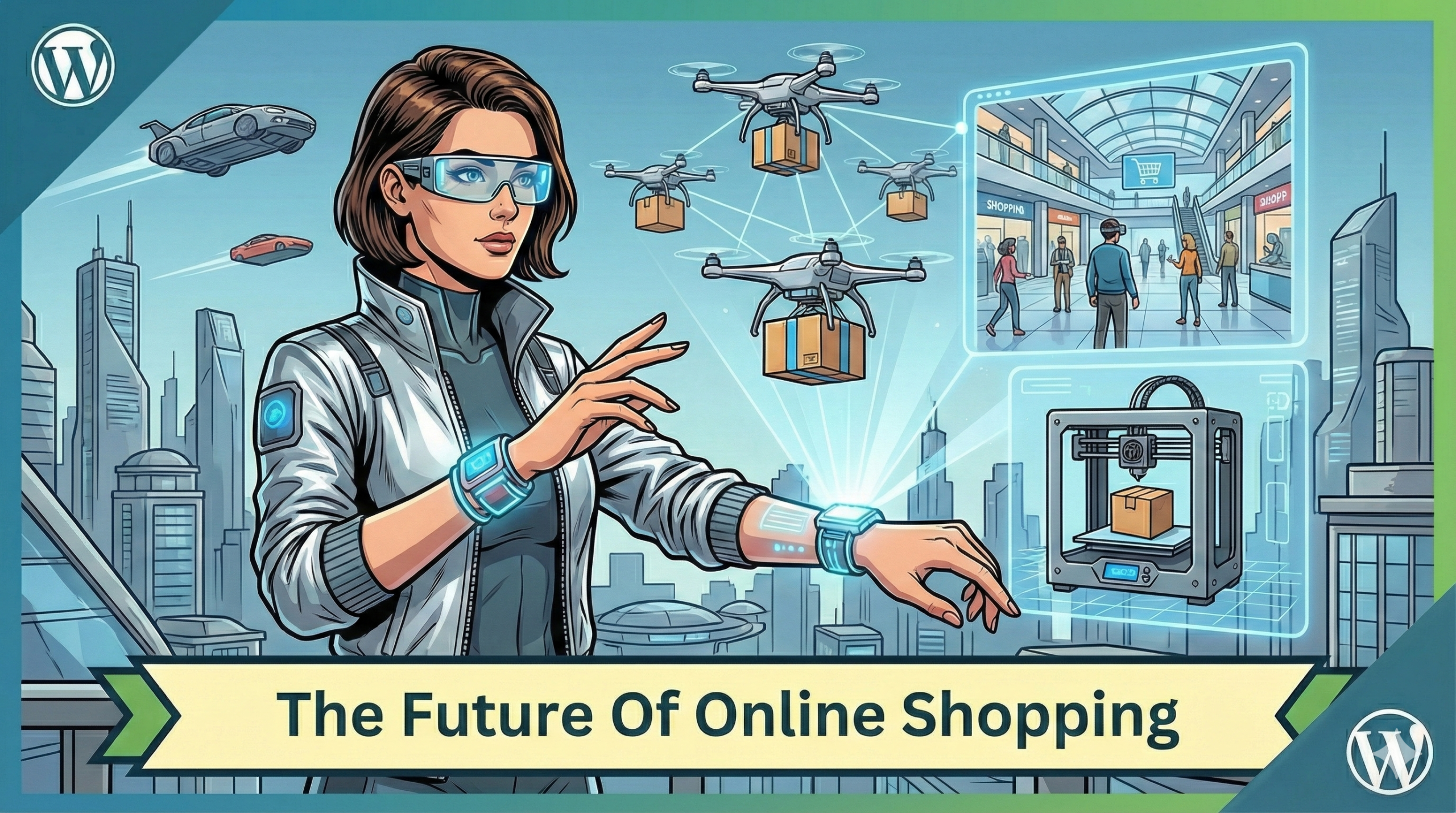
Drone Delivery: Walmart is expanding drone delivery to millions of households, offering 30-minute delivery for small packages .
-
InHome Delivery: A service where employees wear body cams and enter a customer’s home to put groceries directly into their refrigerator .
-
Part 3: The Boom of Live Stream Shopping
-
“QVC for Gen Z”: Live shopping combines entertainment with instant purchasing, similar to the Home Shopping Network but hosted by influencers on social media .
-
The China Model: The trend is already massive in China (valued at hundreds of billions), where influencers can sell billions of dollars in goods in a single session. The U.S. is still “lagging way behind” but trying to replicate this success .
-
Amazon Live: Amazon is paying influencers to host live streams on their platform. Unlike social media (TikTok/Instagram) where shopping causes friction (leaving the app), Amazon Live keeps the user in a “buying mindset” within the ecosystem .
-
Social Platforms: TikTok Shop and YouTube are integrating “click-to-buy” features to prevent users from having to leave the video to make a purchase, hoping to capture the impulse buy market